

FIRST GEN ONE
LICENSED PHOTOS
We’re introducing a collectible category that’s been
hiding in plain sight since the late 1980s:
First Gen 1 Licensed Photos.
These images share the same core qualities as traditional First Gen 1 photos—printed from the original negative on fiber-based paper using darkroom processes—but were created for broader, licensed distribution. That distinction matters, and we label them accordingly.
We’ve identified three primary groups within this category:

01
1990 Hoops Glossy Photos
Hoops used original photographer images not only for trading cards, but also for glossy photo prints. These were produced as true darkroom prints on Kodak photo paper, directly from the original negatives.
While visually similar to traditional First Gen 1 prints, their licensed, commercial distribution sets them apart—impacting how they’re classified, their scarcity, and ultimately their value.
02
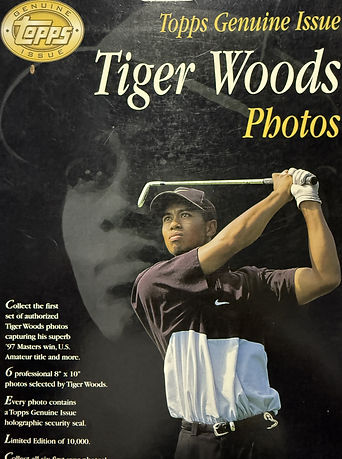
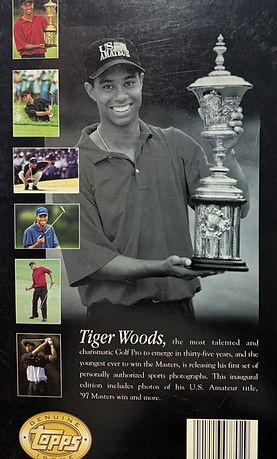
1997 Topps “Genuine Issue” Tiger Woods Set
This limited six-photo set captured Tiger Woods during his breakout 1997 season. Each 8×10 image was printed on
fiber-based Agfa paper using traditional photographic methods.
Despite their high-quality darkroom production, these were standardized and commercially released (approx. 10,000 sets), distinguishing them from one-off editorial or archival prints.
03
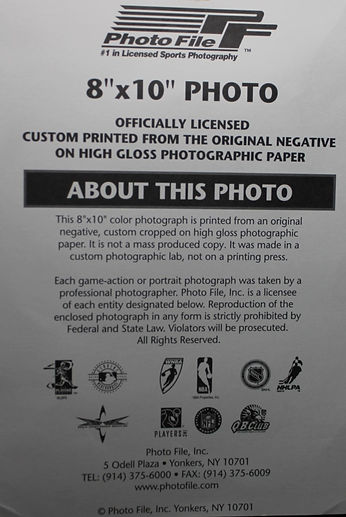
Photo File Prints
Photo File produced licensed sports photography at scale, sourcing images from top photographers, teams, and leagues. Early prints were created on fiber-based paper in professional photo labs—not printing presses.
Sold through catalogs, stadiums, shops, and online, these images are clearly marked with branding and licensing details. While they maintain strong photographic quality, their commercial production places them firmly in the memorabilia category rather than true press or archival originals.
Why It Matters
First Gen 1 Licensed Photos blur the line between original photographic prints and commercial releases. Understanding that distinction helps collectors better evaluate authenticity, rarity, and long-term value.
